
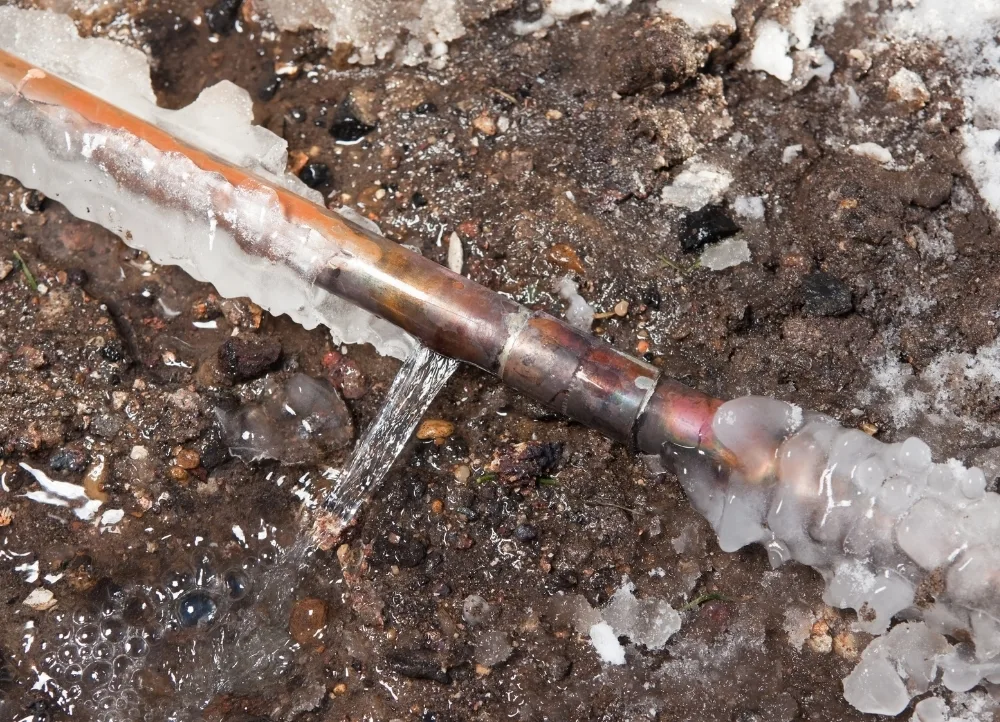
When a cold winter’s night is approaching, it is wise to consider whether you should do something to prevent your pipes from freezing. While you might go many winters without getting a frozen pipe, a single burst will be enough to make you cautious every winter after. Pipe bursts from freezing are major hassles that can cause severe water damage to your home, even structural components.
They can cause mold, damage things like your furnace, and do plenty of damage. They can also wrap up the water bill and the bills to repair and replace the pipe and everything it has damaged. At the start of every winter and before the worst record-breaking cold nights, you should consider if you need to do anything to prevent your pipes from freezing. Here are the steps that you can take to prevent pipe freezing.
Insulate Your Pipes
To prevent your pipes from freezing effectively, guarantee they are insulated with high-quality foam or fiberglass sleeves. These materials are designed to maintain the ideal temperature of your pipes, even during the harshest winter conditions. When selecting insulation, consider the R-value, which measures thermal resistance. A higher R-value means better insulation, which is essential for preventing frozen pipes. This knowledge empowers you to make informed decisions, ensuring your plumbing system remains functional and reliable.
Begin by identifying pipes at risk of freezing, such as those in unheated areas like basements, attics, and garages. Measure the length and diameter of each pipe to determine the correct insulation size. Opt for pre-slit tubular foam or fiberglass sleeves for easy installation and superior coverage. Secure the insulation with cable ties or metal clamps, ensuring a snug fit without compressing the material, which could reduce its effectiveness.
Use Heat Tape
Heat tape provides a reliable solution for preventing frozen pipes by wrapping electrical cables around vulnerable sections. This method effectively maintains warmth and prevents ice formation, particularly for pipes in unheated areas like basements or crawl spaces. Heat tape guarantees that your plumbing system remains operational, minimizing disruptions to your household or others you serve.
To maximize the benefits of heat tape, consider the following:
1. Select the Right Type: Choose self-regulating heat tape for maximum efficiency. It adjusts its heat output based on the surrounding temperature, conserving energy and providing peak protection against freezing.
2. Proper Installation: Carefully follow the manufacturer’s instructions for installation. Secure the heat tape tightly against the pipe, ensuring there’s no overlap, which could cause overheating. A well-installed heat tape will offer consistent warmth and reliable performance.
3. Regular Maintenance: Periodically check the heat tape for wear or damage. Replace it immediately if you notice any fraying or malfunction. Regular maintenance guarantees longevity and continuous protection for your pipes.
Seal Gaps and Cracks
While insulating your pipes is essential, sealing gaps and cracks in your home’s exterior and interior walls further protects plumbing from freezing temperatures. Begin by inspecting areas where cold air might infiltrate, such as around windows, doors, and where pipes enter the home. Use caulk for small cracks and spray foam insulation for larger gaps to create a thermal barrier that reduces heat loss.
Check for drafts near electrical outlets and light fixtures, as these can be overlooked gateways for cold air. Installing foam gaskets behind outlet covers is a simple yet effective solution. In basements and crawl spaces, pay attention to gaps around the foundation and sill plates. Expanding foam or weatherstripping can secure these areas against cold drafts.
Don’t forget plumbing penetrations through walls, floors, and ceilings. Seal them with pipe insulation sleeves or foam pipe wrap to maintain consistent temperatures. By addressing these vulnerabilities, you minimize the risk of pipe bursts, which can cause significant damage and inconvenience. Your proactive efforts not only safeguard your home but also enhance energy efficiency, ultimately serving your household by preventing costly repairs and ensuring consistent water flow even in harsh winter conditions.
Let Faucets Drip
To further prevent your pipes from freezing, allow faucets to drip slightly, ensuring a continuous flow of water that effectively reduces pressure buildup and the likelihood of freezing. This technique is based on the principle of maintaining movement within your plumbing system. When water is allowed to flow, even in a small trickle, it helps prevent the formation of ice blockages that can lead to burst pipes.
Begin with faucets connected to exposed or exterior walls, as these are most vulnerable to freezing temperatures. Monitor the flow rate; a slow, steady drip is sufficient to maintain pressure balance. The kinetic energy from the water movement helps keep temperatures above freezing within the pipes, acting as a barrier against thermal contraction.
Be mindful of the plumbing layout in your home. For best results, identify faucets linked to pipes running through unheated areas, such as basements or attics. If you’re concerned about water waste, capture dripping water in a basin for later use, demonstrating resourcefulness and environmental stewardship. Remember, a small drip now can prevent costly repairs later, ensuring your home remains a safe, warm haven for those you care for.
Keep Indoor Temperatures Consistent
Maintaining a steady indoor temperature is essential for preventing pipe freeze-ups, as fluctuating heat levels can exacerbate the risk of plumbing damage. You should aim to keep your thermostat set to a consistent temperature, ideally above 55 degrees Fahrenheit, especially during extreme weather conditions. This constant warmth guarantees that the heat circulates evenly throughout your home, reducing the likelihood of cold spots that could lead to freezing pipes.
To achieve uniform temperature distribution, inspect your HVAC system regularly and verify it’s functioning efficiently. Replace filters, check for blockages, and clean ducts to enhance airflow. Consider investing in a programmable thermostat, which allows you to maintain a consistent temperature even when you’re not home. While you may be tempted to lower the heat to save on energy bills, the potential cost of repairing burst pipes far outweighs temporary savings.
In addition, you should avoid drastic temperature changes, especially at night. When the temperature outside drops considerably, your heating system can struggle to compensate, putting pipes at risk. By keeping indoor temperatures stable, you’re not only preserving your plumbing but also guaranteeing comfort and safety for all occupants.
Open Cabinet Doors
Opening cabinet doors allow warm air to circulate around the pipes beneath sinks, reducing the risk of freezing. This simple yet effective preventative measure can guarantee the safety and functionality of your plumbing in cold weather. By providing unobstructed airflow, you can maintain a peak ambient temperature for your pipes, which is vital in avoiding costly repairs and inconvenience. Here’s why it matters:
- Peace of Mind: Knowing your pipes are protected from freezing temperatures can relieve stress, allowing you to focus on caring for others in your community.
- Cost-Efficiency: Avoiding frozen pipes prevents potential water damage and costly emergency repairs, guaranteeing resources are better allocated to serve those in need.
- Sustainability: Proper maintenance reduces waste and conserves water resources, aligning with environmentally responsible practices that benefit everyone.
When you open those cabinet doors, you’re taking a proactive step in safeguarding your home’s infrastructure. Remember, the kitchen and bathroom are high-risk areas due to the concentration of plumbing fixtures. Be diligent in monitoring these spaces and make certain to clear away any items that might obstruct airflow. This action demonstrates your commitment to maintaining a safe and functional environment for both yourself and those you serve.
Disconnect Outdoor Hoses
Frequently overlooked, disconnecting outdoor hoses is an essential step to prevent water from freezing and expanding in your pipes, which can lead to damage and costly repairs. When left connected, hoses retain water, which can back up into the spigot. As temperatures drop, this water freezes, creating pressure that may crack pipes. To mitigate this risk, remove all hoses from outdoor faucets before the first frost.
Begin by turning off the outdoor water supply, typically located inside your home. Once the water is shut off, disconnect each hose and drain it completely to guarantee no water remains trapped inside. Store hoses in a warm, dry area to prevent damage during the winter months. Inspect the hose bibs for leaks or wear, replacing any compromised components to maintain the integrity of your plumbing system.
Consider installing insulated faucet covers over each outdoor spigot. These covers provide an added layer of protection against harsh conditions, minimizing the chance of freeze-related issues. By taking these proactive measures, you not only safeguard your property but also contribute to the well-being of your community, guaranteeing resources are conserved and costly repairs are avoided.
Close Garage Doors
Closing your garage doors helps maintain warmer temperatures inside, reducing the risk of water pipes freezing in attached spaces. When your garage shares a wall with your home, any drop in temperature can extend to internal plumbing. You can take proactive measures to guarantee the safety and reliability of your home’s water system.
- Energy Efficiency: Keeping garage doors closed enhances your home’s overall energy efficiency. You’ll conserve heat, and your heating system won’t need to work as hard, which can be a big help during extreme winter conditions.
- Pipe Protection: By minimizing cold air intrusion, you effectively shield the vulnerable water pipes running through your garage. This reduces the risk of pipe bursts, which can lead to costly repairs and water damage.
- Community Caring: Ensuring your pipes don’t freeze not only benefits your household but also contributes to community efforts. When fewer homes suffer from bursting pipes, the local water supply system remains stable, and emergency services aren’t overburdened.
Use Pipe Heating Cables
Installing pipe heating cables is an effective method to prevent your water pipes from freezing during harsh winter conditions. You’ll find these cables, often referred to as heat tape or heat trace cables, are designed to maintain a consistent temperature along the pipe’s surface, thereby preventing freezing. Begin by selecting a cable that matches the length and type of your pipes. Make certain it’s suitable for the material, be it copper, PVC, or galvanized steel, as compatibility guarantees peak performance.
When installing, carefully wrap the heating cable around the exposed sections of your pipes, following the manufacturer’s instructions closely. Secure the cable using thermal tape to keep it in place, avoiding any overlapping, which could lead to overheating. For added efficiency, you might want to insulate the pipes after the cable installation, reducing heat loss and enhancing energy efficiency.
Be certain to connect the heating cable to a nearby power source and activate it when temperatures start to drop. Many modern heating cables come with built-in thermostats that automatically regulate temperature, offering peace of mind. Regularly inspect the cables for any signs of wear or damage, guaranteeing they remain functional and safe to use.
Monitor Weather Forecasts
After securing your pipes with heating cables, regularly check the weather forecasts to anticipate significant temperature drops that could jeopardize your plumbing system. Understanding weather patterns is vital in effectively timing your preventative measures. By leveraging accurate meteorological data, you can strategically deploy additional methods to protect your pipes from freezing. Make it a routine to monitor both short-term and long-term forecasts to stay ahead of unexpected cold snaps.
Pay attention to these key indicators:
- Extreme Cold Alerts: When forecasters issue warnings for severe cold, it’s a signal to ramp up your pipe protection strategies. Activate any auxiliary heating systems and verify all vulnerable areas are insulated.
- Wind Chill Factors: Wind can exacerbate freezing conditions by rapidly lowering temperatures around exposed pipes. When wind chill warnings are in effect, double-check that your pipe insulation is intact and adequately covering all critical areas.
- Prolonged Cold Spells: Extended periods of low temperatures increase the risk of freezing. During such times, increase the frequency of checking your heating cables and consider allowing faucets to drip to maintain water movement.
Staying informed about weather conditions empowers you to act decisively, safeguarding your plumbing and guaranteeing uninterrupted service for those who depend on you.
Frequently Asked Questions
What Temperature Causes Pipes to Freeze?
When icy fingers grip your pipes, they freeze around 20°F. To serve your community and guarantee water flows freely, insulate exposed pipes, seal leaks, and maintain a steady drip. Prevention keeps your plumbing system healthy.
How Quickly Can Pipes Freeze Without Protection?
When temperatures drop below 20°F, unprotected pipes can freeze within hours. Monitor your home’s plumbing system, especially during cold snaps. Insulate pipes, use heat tape, and maintain adequate indoor heat to prevent freezing and guarantee reliability.
Can Saltwater Pipes Freeze in Cold Weather?
Imagine icy winds howling outside. Saltwater pipes can freeze, though less easily than freshwater ones. With lower freezing points, they resist cold better. However, you should maintain insulation and heating to guarantee uninterrupted water flow.
Are There Specific Types of Pipes More Prone to Freezing?
Yes, copper and galvanized steel pipes freeze more easily due to high thermal conductivity. You should insulate these pipes, especially in unheated spaces. Consider PEX pipes, which are more resistant to freezing and potential bursting.
Is There a Way to Unfreeze Pipes Without Professional Help?
While the warmth of a hairdryer contrasts the cold of frozen pipes, you can safely thaw them by applying heat. Utilize heat tape or an electric heating pad, ensuring water flow resumes without needing professional intervention.
Conclusion
Ironically, ignoring these straightforward tips could lead to a crash course in emergency plumbing, something no homeowner dreams of mastering. By insulating pipes, sealing gaps, and maintaining a cozy indoor climate, you’re not just battling the elements but outsmarting them. Letting faucets drip and disconnecting hoses might seem trivial, yet they’re your first line of defense. Trust us, learning about burst pipes in winter isn’t the most festive way to embrace the season’s chill.