
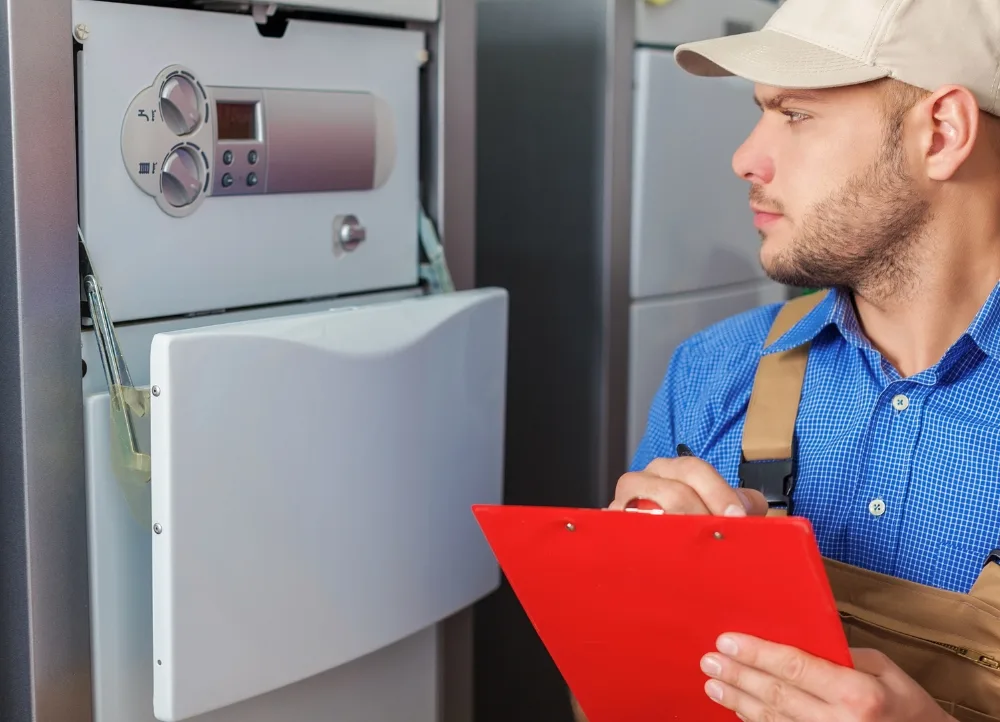
It’s important to focus on safeguarding your plumbing as winter approaches to avoid costly repairs later. You might know that insulating exposed pipes and maintaining a consistent indoor temperature is key, but there’s more to reflect on. Have you checked for leaks recently or considered the implications of not draining outdoor faucets? While these tasks might seem straightforward, a surprising amount of detail is involved. What about your water heater and sump pump—are they ready for the cold months ahead? Let’s explore the essential steps you need to take to guarantee your plumbing is winter-ready.
Insulate Exposed Pipes
Insulating exposed pipes is essential to prevent freezing and potential damage during the winter months. As someone who values serving others, you must guarantee that your plumbing system remains intact and functional. Start by identifying all exposed pipes, especially those in unheated areas like basements, attics, or crawlspaces. Use foam pipe insulation sleeves, which are cost-effective and provide excellent thermal resistance. Measure the diameter and length of each pipe to purchase the correct size and amount of insulation.
When applying the insulation, ensure a snug fit around the pipes. Cut the insulation to the required length, and use duct tape or zip ties to secure it in place, overlapping any joints to prevent gaps. Pay special attention to elbows and bends, as these areas are more susceptible to heat loss. For additional protection, consider wrapping pipes with heat tape before applying the insulation, especially in extremely cold climates.
Check the insulation regularly throughout the winter to guarantee it remains intact and effective. By taking these steps, you protect your pipes from freezing and contribute to a reliable water supply, ultimately supporting those who depend on your proactive maintenance efforts.
Check for Leaks
A thorough inspection for leaks is vital to ascertain your plumbing system operates efficiently and prevents water damage during winter. Begin by checking visible pipes in your home, focusing on joints and connections. Inspect beneath sinks, around toilets, and near water heaters for any signs of moisture. Look for dark spots, mold, or water stains, which may indicate a slow leak.
Next, test your water meter to detect hidden leaks. Turn off all water fixtures and verify no appliances are running. Record the water meter reading and wait 30 minutes. If the reading changes, you likely have a hidden leak that requires attention. Use a flashlight to examine basements and crawl spaces, as these areas often harbor unnoticed leaks.
Pay particular attention to the ceilings and walls for any discoloration or bulging, which may suggest internal pipe leaks. If you suspect a leak but can’t locate it, consider using a moisture meter for a more precise assessment. If left unchecked, leaks can escalate into significant structural damage, so addressing them promptly is essential. By performing these checks, you ascertain a safe, efficient plumbing system ready to serve others in the colder months ahead.
Drain Outdoor Faucets
Ensure your plumbing system is winter-ready by draining outdoor faucets to prevent water from freezing and causing pipe bursts. Start by locating the shut-off valves for your outdoor faucets. These are usually found indoors near where the pipes exit your home. Turn off the valve by rotating it clockwise until it stops. Next, go outside and open the faucet completely. This allows any remaining water to drain out of the pipes. If your faucets have a bleeder cap, unscrew it to release trapped water. Verify all water is removed, as even a small amount can expand and damage pipes when frozen.
If you have a garden hose attached, disconnect it and store it properly. Leaving hoses connected can trap water in the faucet, increasing the risk of freezing. For extra protection, consider installing insulated faucet covers. These covers add a layer of insulation that helps prevent freezing. While at it, inspect the area around your faucets for leaks or wear. Addressing these issues now will save you potential headaches later. By taking these steps, you’ll safeguard your home’s plumbing and provide peace of mind, knowing you’ve effectively shielded your system from winter’s harshness.
Seal Gaps and Cracks
Identifying and sealing gaps and cracks around your home is essential for preventing cold air from seeping in and causing your plumbing pipes to freeze. Start by checking areas where different building materials meet, such as around windows, doors, and where pipes or wires enter your home. These are common spots for air leaks. Use a flashlight to inspect these areas, looking for any light coming through from the outside that indicates a gap needing attention.
Use caulk for small cracks and expanding foam for more significant gaps for sealing. Caulk is ideal for narrow spaces while expanding foam is better for filling larger voids. When applying caulk, cut the nozzle at a 45-degree angle for precise application and smooth it with your finger or a tool for a clean finish. Be cautious when applying expanding foam; it expands greatly, so apply it sparingly.
Check weatherstripping around doors and windows, replacing any damaged or worn. This step helps maintain your home’s insulation, further protecting your plumbing. By thoroughly sealing gaps, you safeguard your pipes and enhance energy efficiency, contributing to a warmer, more comfortable home.
Maintain a Consistent Temperature
Maintaining a consistent temperature in your home prevents your plumbing pipes from freezing during the colder months. Start by setting your thermostat to a minimum of 55°F, even when you’re away. This keeps pipes in unheated areas, like basements and crawl spaces, warm enough to prevent freezing. Use programmable thermostats to adjust temperatures efficiently, reducing energy consumption while protecting your plumbing.
Next, focus on insulation. Insulate pipes in unheated areas with foam pipe sleeves or heat tape. This will help maintain warmth and prevent ice blockages. Pay special attention to pipes near exterior walls, as they’re more susceptible to cold. Additionally, open cabinet doors under sinks to allow warm air from your home to circulate around plumbing fixtures.
Consider sealing drafts in your home to maintain a stable indoor temperature. Replace worn weather stripping around doors and windows, and check attic insulation levels to reduce heat loss. Ensure each zone reaches the intended temperature for homes with multiple heating zones. These actions protect your pipes and enhance your home’s overall energy efficiency. By maintaining consistent indoor temperatures, you’re helping others by preventing costly plumbing repairs and providing a warm, safe environment.
Inspect Water Heater
Regularly check your water heater for any signs of wear or damage to confirm it’s operating efficiently during the winter months. Begin by inspecting the exterior for rust or corrosion, indicating leaks or compromised integrity. Pay special attention to the area around the base and joints. Next, examine the pressure relief valve. Lift the valve’s lever slightly and let it snap back; you should hear a gurgling sound as water is released. If not, the valve might need replacing.
Drain a few gallons from the tank to remove sediment buildup that can reduce efficiency and lead to overheating. First, turn off the power supply—gas or electricity—and use a bucket to catch the drained water. Then, the anode rod from the top of the tank must be unscrewed and checked. If it’s more than 50% worn, replace it to prevent corrosion.
Confirm the thermostat is set to a safe and efficient temperature—120 degrees Fahrenheit is typically recommended. If your water heater has insulation, verify it’s intact to maintain energy efficiency. By performing these inspections and maintenance tasks, you confirm a reliable hot water supply for those you care for throughout winter.
Disconnect Garden Hoses
Disconnect garden hoses before the first frost to prevent water from freezing inside and causing damage to pipes or the hose itself. Begin by turning off the water supply to the outdoor spigot inside your home, where the pipe connects to your plumbing system. This step guarantees no additional water enters the hose or the exterior pipes. Once the water supply is off, detach the hose from the spigot. Hold the hose at one end, lifting it to allow any remaining water to drain out completely. This simple act helps avoid residual water freezing and expanding, which could crack the hose or the pipes.
After you’ve drained the hose, coil it neatly to prevent kinks or damage. Store it in a dry, sheltered location like a garage or basement to keep it safe from winter weather, ensuring it’s ready for use in the spring. Inspect the spigot for any signs of wear or leaks, and if necessary, cover it with an insulated outdoor faucet cover. This additional step helps protect the spigot from harsh temperatures, safeguarding your plumbing system. These precautions protect your home and ensure water is available to serve others come spring.
Test Sump Pump
With your garden hoses safely stored, it’s time to verify your sump pump is functioning properly to prevent basement flooding during winter thaws. Start by locating your sump pump in the basement or crawl space. Check that the power supply is connected and the circuit breaker is on. A properly working sump pump is essential for protecting your home and belongings.
To test your sump pump, follow these steps:
- Inspect the pit: Confirm the sump pit is free of debris and obstructions. Any blockage can impede the pump’s operation and cause water buildup.
- To test the float switch, pour a bucket of water into the sump pit until the float rises. The pump should activate automatically; if it doesn’t, inspect the float for tangles or obstructions.
- Check the discharge line: Make certain the discharge line is clear and directed away from your home’s foundation. An obstructed or improperly directed line can lead to water pooling near your home.
- Listen for unusual noises: When the pump is running, it should operate smoothly. Unusual noises may indicate mechanical issues needing professional attention.
Install Pipe Heat Cables
Installing pipe heat cables, or heat tape, is essential to prevent pipes from freezing and bursting during the harsh winter months. These cables provide a controlled source of warmth, ensuring water flows smoothly even in frigid conditions. First, identify vulnerable pipes, especially those in unheated areas like basements, attics, or crawl spaces. Measure the length of these pipes to purchase the appropriate heat cable.
When you’re ready to install, read the manufacturer’s instructions carefully. Uncoil the heating cable and attach it directly to the pipe using electrical tape or cable ties at 12-inch intervals. Ensure the cable is in direct contact with the pipe, avoiding overlaps to prevent overheating. Some models have a built-in thermostat, which automatically turns the cable on when temperatures drop. If yours has this feature, position the thermostat in the coldest area.
Keep Cabinet Doors Open
Open your cabinet doors to allow warm air from your home to circulate around the plumbing, preventing pipes from freezing. This simple yet effective measure is essential, especially during extreme cold spells. To maximize its benefits, ensure the doors remain open whenever outdoor temperatures drop considerably. This encourages consistent airflow, helping to maintain a temperature above freezing for the pipes under your sinks.
Consider the following details to enhance protection further:
- Remove Any Obstructions: Clear out items stored under the sink that could restrict air movement, such as cleaning supplies or pots and pans.
- Monitor Thermostat Settings: To provide a stable environment for pipes, keep your home’s thermostat set to a consistent, warm temperature day and night.
- Seal Drafts: Check for drafts around the cabinetry and seal them to prevent cold air infiltration, which can counteract the warm air circulation.
- Regular Inspection: Periodically inspect the pipes for any signs of condensation or moisture, indicating inadequate air flow or unexpected cold spots.
Conclusion
This winter plumbing checklist will safeguard your home like a fortress against freezing temperatures. Insulate pipes, seal gaps, and maintain a steady indoor climate to prevent costly damages. Regularly check for leaks, drain faucets, and disconnect hoses to guarantee water flows smoothly, just like a well-oiled machine. Test your sump pump and consider pipe heat cables for added protection. Implement these steps, and you’ll enjoy a worry-free winter, keeping your plumbing system running efficiently.
Frequently Asked Questions
How Do I Prevent My Pipes From Freezing During Unexpected Cold Snaps?
Wrap your pipes with insulation, and keep a slow drip from faucets during cold snaps—seal gaps in walls and foundations to prevent drafts. Regularly check for leaks and maintain heating systems to guarantee consistent warmth.
Should I Adjust My Water Heater’s Temperature Setting in Winter?
Adjusting your water heater’s temperature to around 120°F in winter balances comfort and efficiency. This prevents scalding while ensuring hot water availability, reflecting how mindful service can harmoniously meet personal and community needs.
What Signs Indicate My Plumbing Is at Risk During Winter?
You should watch for slow drainage, strange noises, leaks, or reduced water pressure. These indicate potential winter plumbing risks. Addressing these signs promptly guarantees reliable service, prevents bigger issues, and maintains your ability to serve others efficiently.
How Often Should I Perform Winter Plumbing Maintenance?
Perform winter plumbing maintenance at least annually, ideally before temperatures drop. Regular checks guarantee pipes are insulated, faucets are leak-free, and seals are intact. This proactive approach minimizes disruptions and keeps everyone’s water supply safe and reliable.
Are There Specific Winter Plumbing Tips for Older Homes?
You might think newer tips don’t apply, but older homes require extra care. Insulate exposed pipes, seal drafty areas, and check for leaks regularly. Your vigilance guarantees safety and comfort, protecting your home and those within.